Understanding Mold Remediation in Vancouver
Mold growth poses a significant concern for homeowners and property managers in Vancouver, where the coastal climate creates moisture-rich environments conducive to mold proliferation. Recognizing the importance of prompt and effective mold remediation is crucial for maintaining a safe and healthy living environment. For residents seeking reliable solutions, Mold Remediation Vancouver offers expert services tailored to local conditions, ensuring that your home remains mold-free.
What is Mold Remediation?
Mold remediation refers to the process of identifying, controlling, and removing mold from a property. This comprehensive approach includes not just the visible cleaning of mold spores but also addressing the underlying causes of mold growth. Techniques typically involve inspection, moisture assessment, containment, and removal of contaminated materials, followed by cleaning and restoring affected areas to prevent future outbreaks.
Why Mold Remediation is Essential in Vancouver
Vancouver’s unique climate, characterized by high humidity and wet winters, fosters an ideal environment for mold to thrive. Given that mold can lead to serious health issues, such as respiratory problems and allergies, and can cause structural damage to properties, effective mold remediation is paramount. Regular inspections and timely remediation help homeowners protect their investments and ensure the safety of their living spaces.
Common Types of Mold Found in Homes
- Aspergillus: Often found indoors, this mold can trigger allergic reactions and respiratory issues.
- Stachybotrys (Black Mold): Known for its toxic effects, black mold thrives in damp areas and poses significant health risks.
- Penicillium: Commonly found in water-damaged buildings, it can spread rapidly and affect indoor air quality.
- Cladosporium: This mold can grow on both organic and non-organic surfaces and can cause allergic reactions.
The Mold Remediation Process Explained
Step 1: Inspection and Moisture Assessment
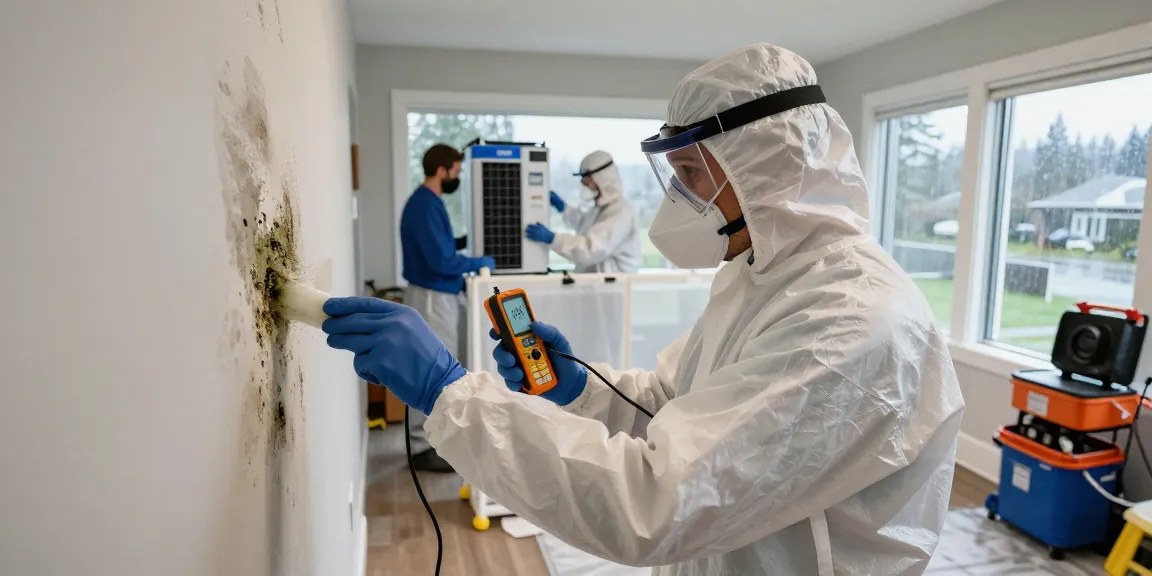
The first step in effective mold remediation is a thorough inspection and moisture assessment of the property. Professionals use specialized equipment to identify hidden mold and moisture sources, including thermal imaging and moisture meters. This assessment is vital in forming a remediation plan tailored to the specific conditions of the space.
Step 2: Containment and Removal Techniques
Once the inspection is complete, the area affected by mold is contained to prevent further spread. This often involves using barriers and negative air pressure systems. After containment, contaminated materials may need to be removed, including drywall, insulation, or flooring, which are then safely disposed of to minimize health risks.
Step 3: Post-Remediation Verification
After the removal process, it’s crucial to perform post-remediation verification to ensure that all mold has been effectively eliminated. This often includes air quality testing and visual inspections to confirm that the remediation was successful and that the area is safe for reoccupation.
Choosing the Right Mold Remediation Service
What to Look for in a Mold Remediation Company
When selecting a mold remediation service, it is important to look for companies that have certified technicians, such as those certified by the IICRC (Institute of Inspection, Cleaning and Restoration Certification). Additionally, check for customer reviews and a history of successful projects in similar environments.
Questions to Ask Before Hiring
- What certifications do your technicians hold?
- Can you provide references from previous clients?
- What is your process for moisture assessment and remediation?
- Do you offer a warranty for your work?
Understanding Certifications and Compliance Standards
Certifications ensure that mold remediation professionals are trained in the latest techniques and safety procedures. In Canada, adherence to industry standards and guidelines, such as those set by the IICRC and provincial regulations, is critical for effective mold remediation.
Cost Factors in Mold Remediation
Typical Costs for Mold Remediation in Vancouver
The cost of mold remediation varies significantly based on several factors, including the extent of mold growth, the size of the affected area, and the materials involved. Average costs can range from $500 to $6,000, depending on these variables.
How Size and Severity Affect Pricing
Smaller areas with minimal mold can be remediated at lower costs, while extensive mold infestations requiring significant material removal will incur higher costs. Additionally, the presence of toxic mold, like black mold, often necessitates more comprehensive and expensive remediation procedures.
Insurance Considerations and Coverage
Many homeowners’ insurance policies cover mold remediation, provided the mold growth results from a covered peril, such as water damage. It is advisable to consult with your insurance provider to understand your coverage and ensure that all necessary documentation is completed during the remediation process.
Preventing Future Mold Growth
Best Practices for Moisture Control in Your Home
- Ensure proper ventilation in high-moisture areas such as bathrooms and kitchens.
- Use dehumidifiers to keep indoor humidity below 60 percent.
- Regularly check for leaks in plumbing, roofing, and windows.
- Install vapor barriers in crawl spaces and basements.
Common Mistakes That Lead to Mold Regrowth
Failing to address the source of moisture is the most common mistake leading to mold regrowth. Merely cleaning visible mold without fixing leaks or improving ventilation will typically result in a recurrence of the problem.
Long-Term Maintenance and Monitoring Strategies
Implementing a routine maintenance plan that includes regular inspections and moisture assessments can help catch mold growth early. Using moisture meters and maintaining proper ventilation will also contribute significantly to mold prevention.
What Are the Signs That You Need Mold Remediation?
- Visible mold growth on surfaces.
- Musty or foul odors.
- Recent water damage or flooding.
- Increased allergy symptoms among occupants.
How Long Does Mold Remediation Take?
The duration of the mold remediation process varies depending on the severity of the infestation. On average, it can take anywhere from one day to a week. Factors affecting the timeline include the size of the area, the extent of the mold, and the complexity of the remediation plan.
Do I Really Need Mold Remediation?
If you notice signs of mold or have experienced water damage, it is essential to seek professional mold remediation services. Delaying action can lead to more severe health risks and property damage.
About the Author