Understanding the Advantages of Metal Roofing
When it comes to protecting your home or business in the Greater Toronto Area, selecting the right roofing material is crucial. With its increasing popularity, metal roofing has emerged as a top choice for homeowners and businesses alike. Metal roofs not only offer maximum durability and aesthetic appeal but also provide significant long-term cost savings. MRoof specializes in high-quality metal roofing solutions tailored to the unique climate and conditions of Toronto. In this article, we will explore the key advantages of metal roofing, the different types available, and the process of installation, ensuring you have all the necessary information to make an informed decision.
Why MRoof is the Top Choice for Durability
One of the primary reasons homeowners opt for metal roofing is durability. Unlike traditional roofing materials such as asphalt shingles, metal roofs are designed to withstand the harshest climates. Withstanding heavy snowfall and strong winds, metal roofs come with a lifespan that often exceeds 50 years. This resilience is particularly important for residents in Toronto, where extreme weather can lead to significant damage over time.
Energy Efficiency Benefits of Metal Roofing
Another outstanding feature of metal roofing is its energy efficiency. Metal roofs reflect solar heat, significantly reducing cooling costs in the summer months. According to studies, homes with metal roofs can save anywhere from 10% to 25% on energy bills, making them an environmentally friendly choice as well. Given the rising cost of energy in Toronto, investing in a metal roof can be both a financially and environmentally wise decision.
Long-Term Cost Savings with MRoof
While the initial investment for a metal roof may be higher than that of traditional materials, the long-term savings can be substantial. Due to their durability and energy efficiency, homeowners often discover that a metal roof pays for itself over time. With lower maintenance needs and extended longevity, metal roofs represent a cost-effective solution for managing roofing expenses.
Types of Metal Roofing Available in Toronto
When it comes to metal roofing, there is a diverse range of materials and styles to choose from. Different metals offer various benefits, allowing homeowners to select a roofing solution that best fits their aesthetic preferences and budget. At MRoof, we provide a wide array of roofing options, ensuring that every client can find the perfect fit for their property.
Overview of Steel Roofing Options from MRoof
Steel roofing is one of the most common types of metal roofing available. It is favored for its strength, versatility, and affordability. Steel roofs can be treated with coatings to resist rust, and they come in various styles, including standing seam and corrugated panels. This broad range of options means that homeowners can choose a design that perfectly complements their property.
Comparing Metal Roof Styles: What Fits Your Home?
Metal roofing styles vary greatly, allowing for customization to fit the specific architecture of your home. From sleek standing seam roofs to classic tin tiles, MRoof can help you navigate the available styles to find what suits your taste and enhances your home’s curb appeal. Each type of metal roof has its own unique characteristics, making it important to consider both function and aesthetics in your decision.
Custom Metal Roofing Solutions Offered by MRoof
For those seeking a more tailored approach to their roofing needs, MRoof offers custom metal roofing solutions. Whether it’s a unique design requirement or specific material preferences, our team of experts works closely with clients to ensure their vision becomes a reality. Our commitment to customer satisfaction drives us to provide personalized services that reflect your individual style and needs.
The Installation Process of Metal Roofing
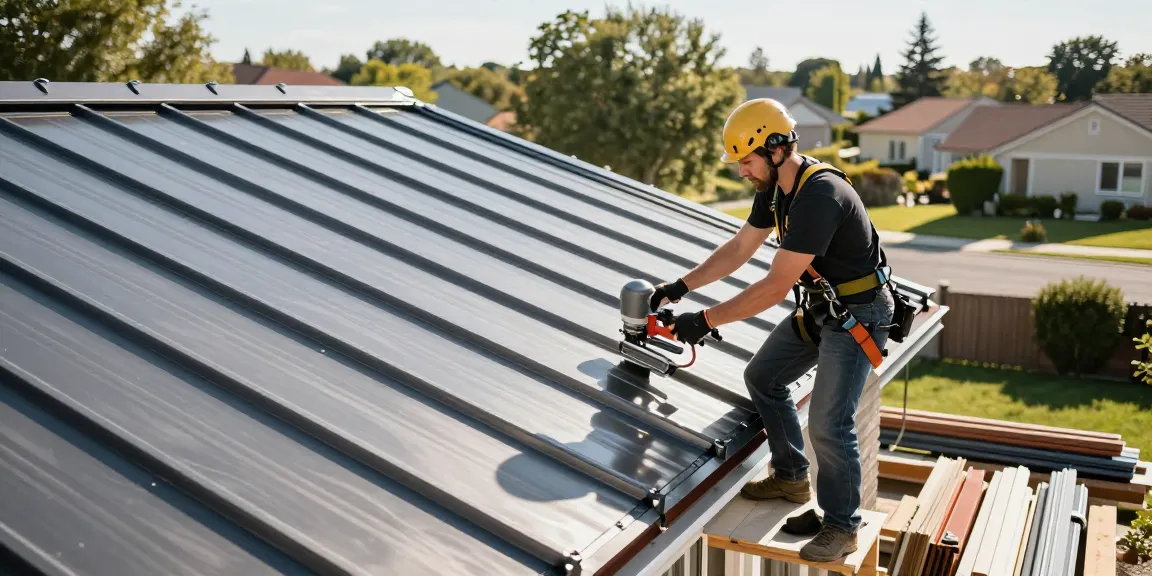
Installing a metal roof is a specialized process that should be handled by experienced professionals. MRoof’s team of expert roofers follows a strict installation procedure to guarantee a high-quality result that stands the test of time. Understanding the installation process can help homeowners know what to expect and how to prepare for the project.
Step-by-Step Guide to Installing Your Metal Roof
The installation of a metal roof generally involves several key steps:
- Initial Assessment: Evaluating the existing roof’s condition and determining the best approach for installation.
- Selection of Materials: Choosing the appropriate metal type and style based on client preferences and budget.
- Preparation: Ensuring the underlying structure is sound and ready for new material.
- Installation: Carefully fitting each panel and ensuring proper sealing to prevent leaks.
- Final Inspection: Conducting a thorough check of the roof to ensure quality and durability.
Importance of Hiring Experts for Installation
Attempting to install a metal roof without professional help can lead to costly mistakes and decreased safety. The expertise of MRoof’s team ensures that every installation is executed to the highest standard, tailored specifically for the weather conditions in Toronto. The investment in professional installation is crucial for guaranteeing the roof’s longevity and performance.
MRoof’s Quality Assurance during Installation
At MRoof, we pride ourselves on our quality assurance processes during installation. Each project is supervised by experienced professionals, and we guarantee our workmanship with warranties that cover both materials and labor. Our attention to detail ensures that clients receive a roof that not only meets but exceeds expectations.
Choosing the Right Metal Roofing Company
Selecting the right contractor for your metal roofing project is integral to achieving the best results. With numerous options available, it’s essential to know what to look for to ensure you are making a sound decision.
What to Look for in a Roofing Contractor in Toronto
When considering a roofing contractor, keep an eye out for the following:
- Experience: Look for a contractor with a proven track record in metal roofing.
- Reputation: Seek reviews and testimonials from previous clients to gauge the company’s reliability.
- Licensing and Insurance: Ensure the contractor is licensed and carries appropriate insurance to protect against liability.
- Quality Materials: Check that the contractor uses high-quality materials from reputable manufacturers.
MRoof’s Commitment to Customer Satisfaction
MRoof places a strong emphasis on customer satisfaction, ensuring that each client feels confident in their roofing choice. We are committed to transparency in our pricing, timelines, and processes, giving our clients peace of mind from start to finish. Our dedication to exceeding expectations is evident in our high number of repeat customers and referrals.
Essential Questions to Ask Before Hiring
Before making a hiring decision, consider asking potential contractors the following questions:
- What type of warranty do you provide, and what does it cover?
- Can you provide references and examples of previous work?
- What is the estimated timeline for the project?
- Will you handle all necessary permits and inspections?
Maintaining Your Metal Roof for Longevity
Once your metal roof is installed, proper maintenance is key to ensuring its longevity. Regular upkeep not only preserves its appearance but also extends its lifespan. Here are some essential tips for maintaining your metal roof.
Regular Maintenance Tips for Homeowners
Homeowners should conduct routine inspections of their metal roof. Look for signs of wear, such as rust or loose seams, and promptly address any issues. Additionally, cleaning the roof to remove debris and moss will help maintain its integrity and appearance. Scheduling professional inspections annually can also ensure that any potential problems are resolved before they escalate.
Signs That Your Metal Roof Needs Attention
Keep an eye out for the following signs that your metal roof may need repairs:
- Visible Rust: Any rust spots should be treated immediately to prevent further deterioration.
- Loose Panels: Check for any shifting or loose panels, which can compromise the roof’s effectiveness.
- Leaks: Water stains inside your home may indicate leaks that need to be addressed.
How MRoof Supports You Post-Installation
At MRoof, our commitment to our clients doesn’t end after installation. We offer continuous support, guidance on maintenance, and assistance with any questions or concerns. Our after-sales service is designed to ensure that your metal roof remains in optimal condition throughout its lifespan.
What are the Benefits of Metal Roofing?
The benefits of metal roofing are numerous, making it a wise investment for homeowners. These advantages include:
- Extended lifespan and durability
- Energy efficiency that lowers energy bills
- Minimal maintenance requirements
- Aesthetic appeal with various styles and colors
- Resistance to extreme weather conditions
How Long Does a Metal Roof Typically Last?
On average, a metal roof can last between 40 to 70 years, depending on the material and maintenance. This longevity makes it an appealing choice for homeowners looking for a lasting solution.
Can You Install Metal Roofing Over Existing Roofs?
Yes, in many cases, metal roofing can be installed over existing roofs, which can save time and reduce the cost of tearing off the old material. However, it’s important to have a professional assessment to ensure that the existing roof can support the new installation.
What are the Cost Factors in Metal Roofing?
The cost of installing a metal roof can vary based on several factors, including:
- The type of metal chosen
- The size and complexity of the roof
- Labor costs in your region
- Any additional features such as insulation or ventilation systems
How Can MRoof Help with Custom Roofing Solutions?
MRoof specializes in creating custom solutions for all types of buildings and styles. By working closely with clients, we ensure that their roofing needs are met while adhering to budgetary constraints. Our experienced team will guide you through the process, from selecting materials to the final installation.
About the Author