The Importance of Medical Supplies in Modern Healthcare
In the ever-evolving landscape of healthcare, the significance of Medical Supplies cannot be overstated. These supplies form the backbone of both patient care and operational efficiency across various healthcare settings. From hospitals and clinics to home healthcare, having the right medical supplies is crucial for ensuring patient safety, enhancing treatment outcomes, and facilitating effective emergency responses. As we move toward 2026, understanding the importance of these supplies and their effective management becomes even more critical.
Why Medical Supplies Are Essential for Patient Safety
Patient safety is a top priority in healthcare, and medical supplies play a pivotal role in this. Supplies such as sterilized equipment, PPE, and infection control materials are vital for preventing healthcare-associated infections (HAIs), which can significantly impact patient recovery times and healthcare costs. The WHO estimates that 7% of patients in developed countries acquire these infections during hospital treatment. The right medical supplies ensure that healthcare workers can deliver care without compromising their safety or that of their patients.
Regulatory Standards for Medical Supplies in 2026
As the healthcare industry continues to evolve, regulatory standards surrounding medical supplies are also becoming more stringent. In 2026, compliance with these regulations will be paramount for healthcare facilities. Regulatory agencies like the FDA and WHO will likely refine their guidelines to encompass new technologies and methodologies that enhance patient safety and efficacy. Facilities must stay ahead of these changes to avoid penalties and ensure high-quality patient care.
The Role of Medical Supplies in Emergency Preparedness
Medical supplies are indispensable in times of crisis. Whether responding to natural disasters or pandemics, having a well-stocked inventory of essential medical supplies can mean the difference between life and death. Hospitals and healthcare providers are advised to have robust emergency preparedness plans that include a comprehensive assessment of necessary medical supplies, ensuring they are equipped to respond effectively and without delay when crises strike.
Types of Medical Supplies You Should Know About
Personal Protective Equipment (PPE): What You Need
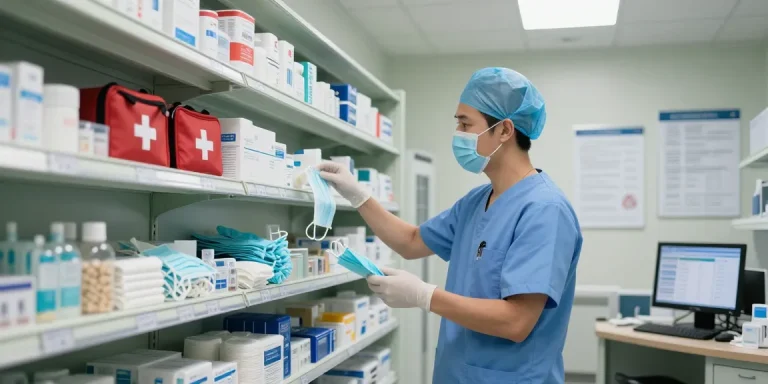
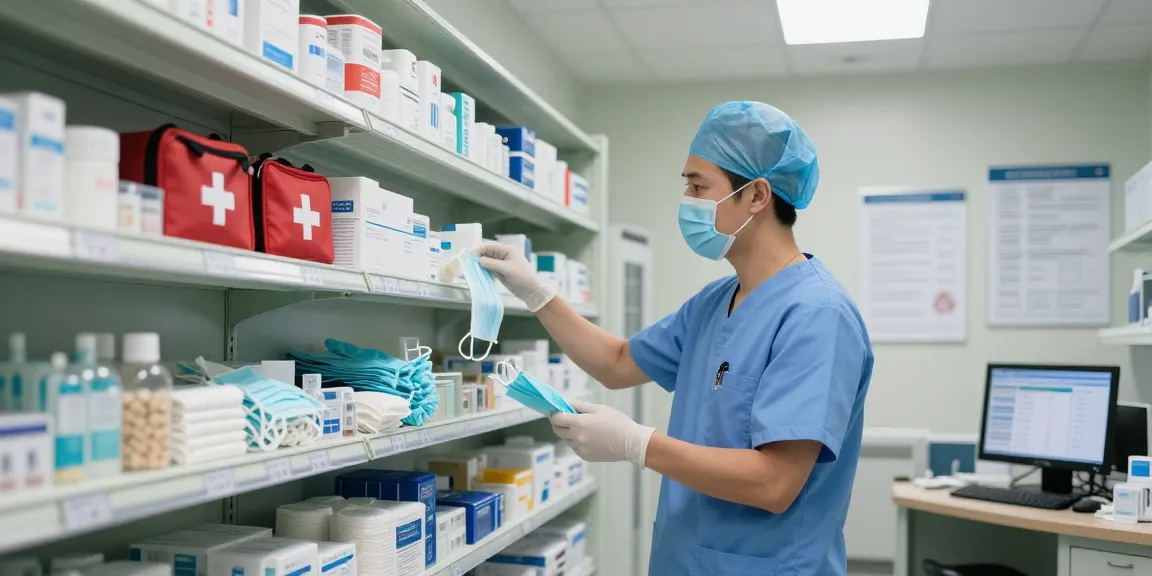
PPE has become a household term since the COVID-19 pandemic and encompasses a range of items such as masks, gloves, gowns, and face shields. These supplies are vital in protecting healthcare workers and patients from infectious diseases. In 2026, the demand for PPE, especially with advancements in material technologies, will likely increase, necessitating ongoing education and training for staff on proper usage and disposal.
First Aid Kits: Essential Items for Every Facility
First aid kits are often overlooked but are critically important in every healthcare setting. They should be stocked with essential items such as bandages, antiseptic wipes, adhesive tape, and gauze. Regular audits of first aid kits can help ensure they are updated and readily available, reducing response times in emergencies.
Advanced Medical Equipment: Innovations for 2026
The landscape of medical equipment is rapidly changing with technological advancements. Innovations such as telemedicine devices, smart diagnostic tools, and automated medication dispensing systems are becoming increasingly common. These technologies improve the efficiency of care delivery and require a new set of training protocols for healthcare professionals to ensure their effective use.
Best Practices for Managing Medical Supplies
Inventory Control Techniques to Optimize Stock Levels
Effective inventory management is crucial to avoid shortages or excesses of medical supplies. Techniques such as just-in-time inventory, par levels, and automated inventory management systems can help healthcare facilities optimize stock levels and reduce waste. Implementing these best practices ensures that vital supplies are always available when needed.
Training Staff on Medical Supplies Usage and Safety
Continuous training is essential to ensure that healthcare personnel are knowledgeable about the medical supplies they use. Regular training sessions on the proper use, safety protocols, and disposal of medical supplies can significantly reduce the risk of accidents and enhance patient care outcomes.
Implementing Technology for Supply Chain Management
The integration of technology into supply chain management can lead to improved efficiency and accuracy in managing medical supplies. RFID tracking, automated reordering systems, and data analytics can provide healthcare facilities with real-time insights into inventory levels and usage patterns. This information can help decision-makers make informed choices about purchasing and stocking supplies.
Cost-Effective Strategies for Sourcing Medical Supplies
Negotiating with Suppliers for Better Pricing
Negotiating with suppliers is a critical aspect of sourcing medical supplies effectively. Building strong relationships with manufacturers and distributors can lead to better pricing, bulk order discounts, and favorable payment terms. Facilities should explore multiple suppliers to leverage competition and ensure they receive the best possible rates without compromising on quality.
Using Bulk Purchases to Reduce Costs
Buying in bulk can lead to significant cost savings on medical supplies. Healthcare facilities should assess their usage patterns to identify products that can be purchased in larger quantities. This strategy not only reduces individual unit costs but also minimizes order frequency, helping to streamline inventory management.
Evaluating Quality versus Cost in Medical Supplies
While cost is a critical factor when sourcing medical supplies, quality should never be compromised. Healthcare facilities must develop a clear understanding of how to assess the quality of supplies relative to their costs. Investing in higher-quality items can result in better patient outcomes and reduced long-term costs associated with failed products or ineffective treatments.
Future Trends in Medical Supplies for 2026 and Beyond
Increased Use of Sustainable Materials in Medical Supplies
As the healthcare industry moves towards sustainability, the use of eco-friendly materials in medical supplies is likely to increase. This shift will not only reduce environmental impact but also resonate with the growing public demand for sustainable practices in healthcare.
Telemedicine and Its Impact on Medical Supply Demand
Telemedicine has transformed patient care and will continue to influence the demand for specific medical supplies. With remote consultations becoming increasingly popular, supplies such as home testing kits and telemonitoring devices will see heightened demand as healthcare providers adapt to new paradigms in patient engagement.
Predictions for Automation in Medical Supply Management
By 2026, automation in medical supply management will be more prevalent, with predictive analytics and AI systems playing a crucial role in forecasting supply needs. These technologies can help healthcare facilities maintain optimal inventory levels, reduce waste, and enhance overall efficiency in supply chains.
How to Maintain Compliance with Medical Supply Regulations?
Maintaining compliance with medical supply regulations requires a proactive approach. Healthcare facilities should implement regular training sessions and audits to ensure all staff are aware of current regulations and best practices. Keeping abreast of changes in legislation and guidelines from regulatory bodies will also help organizations stay compliant.
What Are the Top Emerging Technologies in Medical Supplies?
Emerging technologies such as 3D printing, point-of-care diagnostics, and nanotechnology are revolutionizing the field of medical supplies. These innovations offer the potential to create customized solutions tailored to individual patient needs, significantly enhancing treatment efficacy and patient satisfaction.
How to Handle Supply Chain Disruptions Effectively?
To effectively manage supply chain disruptions, healthcare organizations should develop contingency plans that include diversifying suppliers, maintaining safety stock, and utilizing technology for real-time inventory monitoring. Being prepared for unexpected disruptions ensures that healthcare facilities can maintain continuity of care even in challenging situations.
How Can Medical Supplies Support Telehealth Services?
Medical supplies are integral to the success of telehealth services. By equipping patients with the necessary supplies, like remote monitoring devices and diagnostic kits, healthcare providers can ensure that patients receive comprehensive care from the comfort of their homes. This not only enhances patient compliance but also expands access to healthcare services.
What Are the Risks of Overusing Medical Supplies?
While medical supplies are essential for patient safety, overuse can lead to numerous risks, including increased waste, higher costs, and potential harm to patients. Healthcare facilities should implement guidelines to ensure that supplies are used judiciously and only when necessary to mitigate these risks and enhance overall operational efficiency.
About the Author