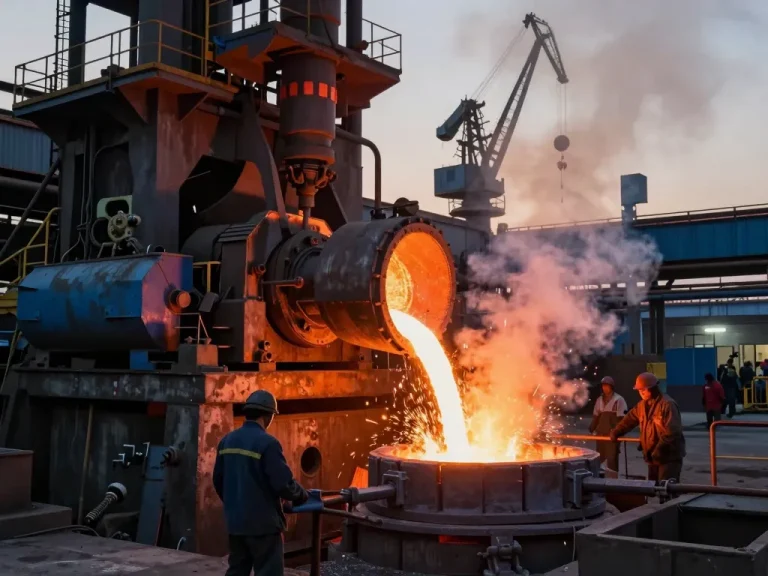
Understanding Engineering Services USA
Engineering services play a crucial role in various sectors, offering tailored solutions that enhance operational efficiency, safety, and sustainability. In the context of the USA, these services encompass a wide range of activities aimed at meeting industry needs, from structural design and environmental assessments to specialized piping and mechanical engineering. When exploring options, Engineering Services USA can provide comprehensive insights and resources that help organizations navigate complex engineering challenges effectively.
What Are Engineering Services?
Engineering services refer to the professional offerings provided by licensed engineers aimed at solving complex problems in various disciplines, including civil, mechanical, electrical, and environmental engineering. These services can include design, analysis, project management, and consulting across multiple industries. The ultimate goal is to optimize processes, ensure safety, and comply with local and international standards.
Key Industries Leveraging Engineering Services
Several industries benefit substantially from engineering services, including:
- Construction and Infrastructure: Firms rely on engineering services for structural design, project management, and compliance with safety regulations.
- Energy: Engineering services in this sector include renewable energy systems design, energy efficiency assessments, and environmental impact studies.
- Aerospace and Defense: Specialized engineering services are crucial for developing safe, compliant aerospace products and military systems.
- Manufacturing: Engineering services enhance operational processes through automation, system design, and quality control.
- Healthcare: Hospitals and medical facilities require engineering services for the design of safe, effective, and compliant systems.
The Importance of Local Expertise in Engineering
Having local expertise is vital in the engineering sector. Engineers familiar with regional regulations, environmental conditions, and market dynamics are more likely to deliver solutions that are not only effective but also compliant with local laws. This local knowledge aids in quicker project approvals, reduces costs associated with redesigns, and enhances collaboration during the project lifecycle.
Core Offerings of Engineering Services USA
Structural Engineering Solutions
Structural engineering involves designing and analyzing structures to ensure they can withstand various loads and environmental conditions. This service is critical in the construction of buildings, bridges, and other infrastructure projects. Engineers employ advanced modeling techniques and adhere to strict codes to ensure safety and functionality.
Piping Stress Analysis Techniques
Piping stress analysis is crucial for ensuring the integrity of piping systems, especially in industries where temperature and pressure fluctuations are common. Engineers use specialized software like CAESAR II and AutoPIPE to simulate various conditions and diagnose potential issues before they arise, thus preventing costly failures and ensuring compliance with ASME codes.
Seismic Design Considerations
In regions prone to earthquakes, seismic design becomes a priority. Engineering firms conduct seismic hazard assessments to evaluate risks and design structures that can withstand seismic activity. This includes the implementation of robust seismic bracing systems to safeguard buildings, pipelines, and other critical infrastructure.
Challenges in Engineering Services USA
Common Misconceptions About Engineering
A frequent misconception is that engineering is solely about technical calculations and designs. In reality, it encompasses a holistic approach that integrates management, communication, and compliance to ensure that all project aspects are addressed effectively.
Regulatory Compliance and Standards
Engineers must navigate a complex landscape of local, state, and federal regulations. Non-compliance can lead to project delays, increased costs, and legal issues. Staying updated with the latest standards is essential for engineers to mitigate risks and ensure project success.
Managing Project Timelines and Budgets
Time and budget management are critical challenges in engineering projects. Effective planning, clear communication, and utilization of project management tools can assist in keeping projects on track and within budget. Engineers must be proactive in identifying potential delays and budgeting issues early on.
Best Practices for Selecting Engineering Services
Evaluating Engineer Credentials and Licenses
When selecting an engineering service provider, it is essential to verify their credentials, including licensed status and relevant experience in your specific industry. Ensuring that the engineering team is qualified will enhance project reliability and compliance.
Assessing Technological Capabilities
In today’s fast-paced environment, technological proficiency is vital. Engineering firms that employ advanced tools and software can offer more accurate designs, quicker analysis, and streamlined project management, benefiting the overall project efficiency.
Understanding Client Relationships and Support
A strong working relationship between the engineering firm and the client is crucial for project success. Clear communication, responsiveness, and dedicated support throughout the project lifecycle can greatly enhance outcomes and client satisfaction.
The Future of Engineering Services USA in 2026
Emerging Technologies in the Engineering Field
As we look towards 2026, technologies such as artificial intelligence, machine learning, and advanced simulation tools are set to revolutionize the engineering landscape. These innovations will enable engineers to improve design accuracy, optimize processes, and enhance overall project management.
Sustainability Trends within Engineering Services
The push for sustainability is driving engineering firms to develop innovative solutions that reduce environmental impact. This includes green building practices, sustainable materials, and energy-efficient designs, reflecting a commitment to social responsibility within the industry.
Anticipating Changes in Industry Regulations
Staying ahead of regulatory changes will be crucial for engineering firms. As environmental standards evolve, companies must adapt their practices and designs to comply with new regulations, ensuring long-term viability and success in the market.
What should I consider when hiring an engineering consultant?
When hiring an engineering consultant, consider their experience, expertise in your industry, licensing, and reputation. A thorough evaluation of past projects and client reviews can provide insights into their capability and reliability.
How do engineering services enhance project efficiency?
Engineering services enhance project efficiency by utilizing advanced technologies, ensuring compliance with regulations, and providing expert insights that reduce project risks and streamline processes. Properly engaged engineering consultants can identify potential bottlenecks and optimize workflows.
What trends are shaping engineering services for the future?
Key trends include the integration of smart technologies, a greater emphasis on sustainability, and the adoption of data-driven decision-making processes. These trends ensure that engineering practices remain relevant and effective in meeting modern challenges.
How can engineering services contribute to sustainability?
Engineering services contribute to sustainability by promoting resource efficiency, minimizing waste, and designing structures that optimize energy use. Sustainable engineering practices not only comply with regulations but also enhance the long-term viability of projects.
What are the benefits of local engineering expertise?
Local engineering expertise brings in-depth knowledge of regional regulations, environmental conditions, and community needs. This can lead to more successful project outcomes, quicker approvals, and a better understanding of the local context.
About the Author