The Fundamentals of Metal Roofing
As homeowners increasingly seek durable and aesthetically pleasing options for their roofs, metal roofing has emerged as a top contender. This style of roofing not only enhances the visual appeal of a home but also offers unmatched longevity and resilience. In Ontario, companies like MROOF Ontario are at the forefront of providing quality metal roofing solutions tailored to the unique challenges of the local climate. In this comprehensive guide, we'll explore the fundamentals of metal roofing, including its benefits, types, installation processes, cost considerations, maintenance, and future trends.
What is Metal Roofing?
Metal roofing refers to roofing systems made from metal materials such as steel, aluminum, copper, or zinc alloys. Known for their durability, metal roofs can withstand extreme weather conditions, including heavy snow, rain, and high winds, making them an ideal choice for Ontario's variable climate. Unlike traditional roofing materials, metal roofs are available in various styles and colors, allowing homeowners to select designs that complement their architectural preferences while ensuring long-lasting protection.
Key Benefits of Choosing Metal Roofing
Choosing metal roofing offers several crucial advantages:
- Longevity: Metal roofs can last 40 to 70 years, significantly outliving asphalt shingles, which typically last 15 to 20 years.
- Energy Efficiency: Many metal roofs are designed to reflect solar heat, helping reduce cooling costs during hot summer months.
- Environmental Impact: Metal roofing is often made from recycled materials and is 100% recyclable at the end of its life cycle.
- Low Maintenance: Unlike other roofing types, metal roofs require minimal upkeep, mostly needing occasional cleaning and inspections.
- Fire Resistance: Metal roofs are non-combustible, offering excellent fire protection and potentially lowering insurance premiums.
Understanding Different Types of Metal Roofs
Metal roofs come in various styles, each with unique characteristics and benefits:
- Standing Seam: Characterized by vertical seams that run from the ridge to the eaves, providing a sleek, modern look.
- Metal Shingles: Designed to mimic traditional shingles while offering the durability of metal.
- Corrugated Metal: Often used in agricultural and industrial settings, this type features a wavy pattern that enhances strength and style.
- Metal Tiles: Resembles traditional tile roofing, providing a classic aesthetic without sacrificing performance.
Installation Process of MROOF Ontario Metal Roofs
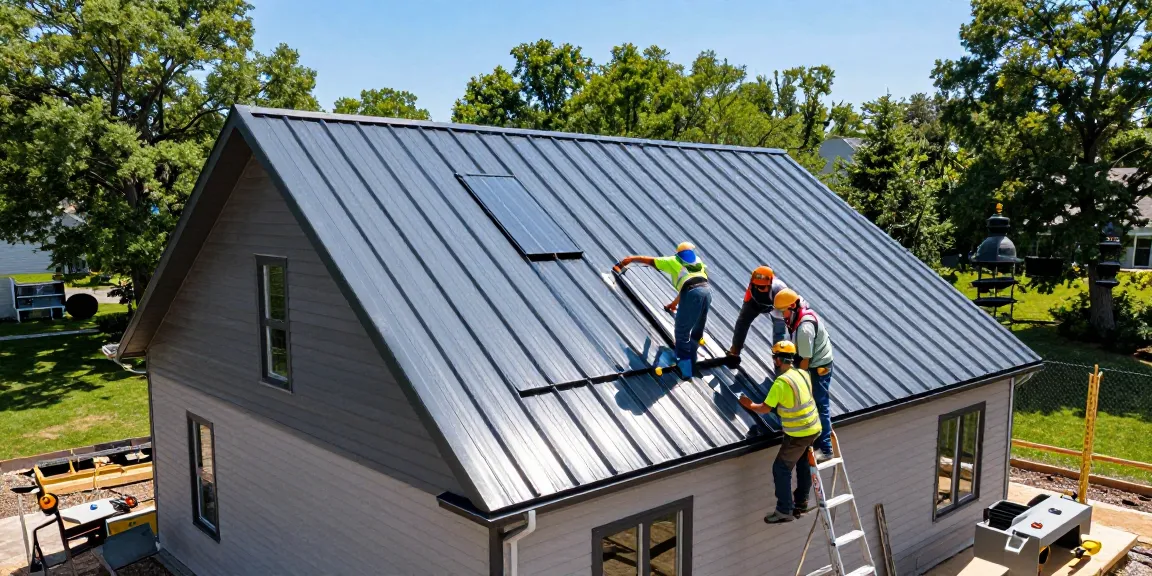
Installing a metal roof involves meticulous planning and precise execution. MROOF Ontario employs experienced professionals who adhere to industry standards to ensure every installation meets high quality and safety benchmarks. Below, we detail the pre-installation preparation steps and the step-by-step guide for a successful installation.
Pre-Installation Preparation Steps
Before the installation begins, several preparatory steps must be taken:
- Roof Inspection: A thorough inspection helps identify existing issues and determines the necessary materials.
- Material Selection: Homeowners can choose from a range of colors, finishes, and metal types based on their preferences and budget.
- Project Planning: An accurate project plan is created, outlining the timeline, materials needed, and labor requirements.
- Permits and Regulations: Obtain the required building permits and ensure compliance with local regulations regarding roofing modifications.
Step-by-Step Installation Guide
The installation of a metal roof follows a systematic approach:
- Preparing the Roof Deck: Remove any existing roofing materials and repair the roof deck as needed.
- Underlayment Installation: A moisture barrier is placed to provide additional protection against leaks.
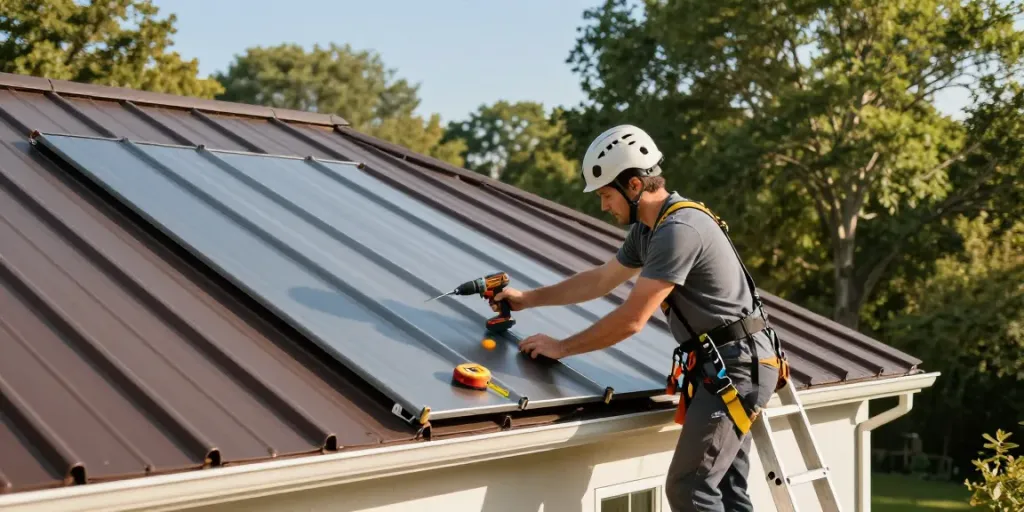
- Metal Panels Application: Panels are installed from the bottom to the top, locking together at the seams for a secure fit.
- Flashing Installation: Flashing is added to joints and penetrations to prevent water infiltration.
- Final Inspection: A comprehensive inspection is conducted to ensure everything is installed correctly and meets quality standards.
Common Challenges During Installation and Solutions
Although metal roofing installation is straightforward, challenges can arise:
- Temperature Fluctuations: Metal expands and contracts with temperature changes, so proper installation techniques are essential to allow for movement.
- Roof Pitch Considerations: Steeper roofs require additional safety measures and techniques to ensure safe installation.
- Seam Alignment: Precise alignment is crucial to prevent leaks; therefore, trained professionals should handle installations.
Cost Analysis of MROOF Ontario Metal Roofing
Understanding the costs associated with metal roofing is essential for budgeting purposes. Several factors influence the overall cost, from materials to installation processes.
Factors Influencing Metal Roofing Costs
The cost of metal roofing can vary based on several key factors:
- Type of Metal: Steel, aluminum, and zinc all come at different price points, influencing the overall cost.
- Roof Size and Complexity: Larger and more complex roofs require more materials and labor, increasing costs.
- Geographic Location: Local labor rates and material availability can also impact pricing.
- Installation Company: Choosing a reputable company with proven experience, like MROOF Ontario, may come at a premium but ensures quality.
Comparing Metal Roofing to Other Roofing Materials
When comparing metal roofing costs to other materials, consider the following:
- Asphalt Shingles: Typically less expensive upfront, but they may need replacement every 15-20 years, while metal roofs last decades.
- Tile Roofing: Tile can be costly and heavy, requiring additional structural support, whereas metal roofs are lightweight.
- Wood Shakes: Aesthetic appeal is high, but maintenance and longevity issues can make metal a more desirable option.
Long-Term Return on Investment for Homeowners
Investing in metal roofing can yield excellent long-term returns:
- Energy Savings: The reflective properties of metal roofs can lead to significant reductions in energy bills.
- Increased Home Value: A durable and aesthetically pleasing roof can enhance resale value.
- Warranty and Durability: Many metal roofs come with extensive warranties, providing peace of mind regarding longevity.
Maintenance and Care for Metal Roofs
Proper maintenance is critical for ensuring the longevity of a metal roof. Fortunately, the maintenance requirements are quite manageable compared to other materials.
Essential Maintenance Tips for Longevity
To keep your metal roof in top condition, follow these maintenance tips:
- Regular Inspections: Inspect your roof at least once a year for signs of wear and tear.
- Cleaning: Clear debris, leaves, and snow to prevent moisture accumulation and clogs.
- Paint Touch-Ups: If your metal roof is painted, touch up any chips or scratches to protect against corrosion.
How Weather Affects Metal Roofing Performance
Metal roofs are generally resistant to harsh weather conditions, but understanding how weather impacts them is beneficial:
- Snow and Ice: Metal roofs promote snow shedding, reducing the risk of ice dams.
- Rain: Their slick surfaces ensure efficient runoff, minimizing water accumulation.
- Wind: Properly installed metal roofs can withstand high winds, making them ideal for storm-prone areas.
Common Misconceptions About Metal Roof Maintenance
Several myths surround metal roofing maintenance:
- Rooftop Noise: Contrary to popular belief, metal roofs are no noisier than other materials when installed correctly.
- Rust Issues: Modern metal roofs are treated to resist rust and corrosion, making them durable in wet climates.
- Complex Repairs: Repairs can often be made quickly and easily without needing a complete replacement.
Future Trends in Metal Roofing for 2026 and Beyond
The metal roofing industry continues to evolve, driven by innovations in technology and design preferences. As we look to 2026 and beyond, several trends are emerging.
Innovations in Metal Roofing Technology
Future advancements may include:
- Smart Roofing: Integration of solar panels and roofing systems for energy efficiency.
- Advanced Coatings: New protective coatings that offer better durability and aesthetic options.
- Modular Designs: More customizable roofing systems that easily adapt to various architectural styles.
Emerging Design Trends in Metal Roofs
Design trends are leaning towards:
- Bold Colors and Finishes: Homeowners are increasingly opting for vibrant colors beyond traditional metallic shades.
- Mixed Materials: Combining metal roofs with other materials like wood for a unique aesthetic appeal.
- Sustainable Options: Eco-friendly materials and practices are gaining traction among environmentally conscious consumers.
Predictions for the Metal Roofing Market in 2026
Market forecasts indicate continued growth for metal roofing:
- Increased Demand: A growing emphasis on energy efficiency and sustainability will boost demand for metal roofs.
- Technological Advances: Expect more innovations that result in better performance and aesthetics.
- Competitive Pricing: As technology advances, pricing may become more competitive with other roofing options.
What Are the Environmental Benefits?
Metal roofing is not only durable but also environmentally friendly. Its recyclability and energy efficiency make it an attractive option for eco-conscious homeowners:
- Recyclability: Most metal roofing materials can be recycled, reducing landfill waste.
- Energy Efficiency: Reflective coatings help lower energy demands, benefiting both homeowners and the environment.
- Reduced Waste: Metal roofs can often be installed over existing roofs, minimizing the waste generated during replacement.
In conclusion, investing in metal roofing through companies like MROOF Ontario offers homeowners a sustainable, durable, and visually appealing roofing solution. By understanding the installation process, cost factors, maintenance needs, and future trends, you can make an informed decision that enhances your home's value and efficiency for years to come.