Understanding the Benefits of Metal Roofing in Ontario
In the ever-changing climate of Ontario, homeowners are increasingly looking for roofing solutions that provide not just durability but also energy efficiency and aesthetic appeal. Metal roofing has emerged as a frontrunner in this quest, offering a host of benefits that are particularly valuable in the Canadian landscape. When exploring options, metal roofing ontario provides comprehensive insights into how it stands out from traditional roofing materials.
Why Choose Metal Roofing?
Metal roofing has gained popularity in Ontario due to its robustness and versatility. Unlike conventional asphalt shingles, metal roofs can withstand harsh weather conditions, making them an ideal choice for the region. They are lightweight, which reduces stress on the building's structure, and they can be installed over existing roofs, minimizing the need for expensive tear-offs.
- Longevity: Metal roofs can last 40-70 years, depending on the material, far outpacing asphalt shingles that typically last 15-20 years.
- Low Maintenance: These roofs require minimal upkeep compared to other roofing materials.
- Fire Resistance: Metal roofs are non-combustible, reducing the risk of fire hazards.
Durability Against Ontario Weather
Ontario's weather can be ruthless, with heavy snowfalls, ice storms, and intense summer heat. Metal roofing systems are designed to endure these conditions effectively. The materials are treated for corrosion resistance and often come with finishes that reflect heat, further enhancing their durability.
Metal roofs also provide excellent snow-shedding capabilities, preventing the accumulation of heavy snow that can lead to structural problems. This property decreases the risk of ice dams, which can be a significant concern for homeowners in the winter months.
Energy Efficiency and Cost Savings
Another significant advantage of metal roofing is its ability to increase energy efficiency. Metal roofs can reflect more sunlight than traditional roofs, which helps keep homes cooler in the summer. This reflective capability can lead to a decrease in cooling costs by up to 25% during peak summer months.
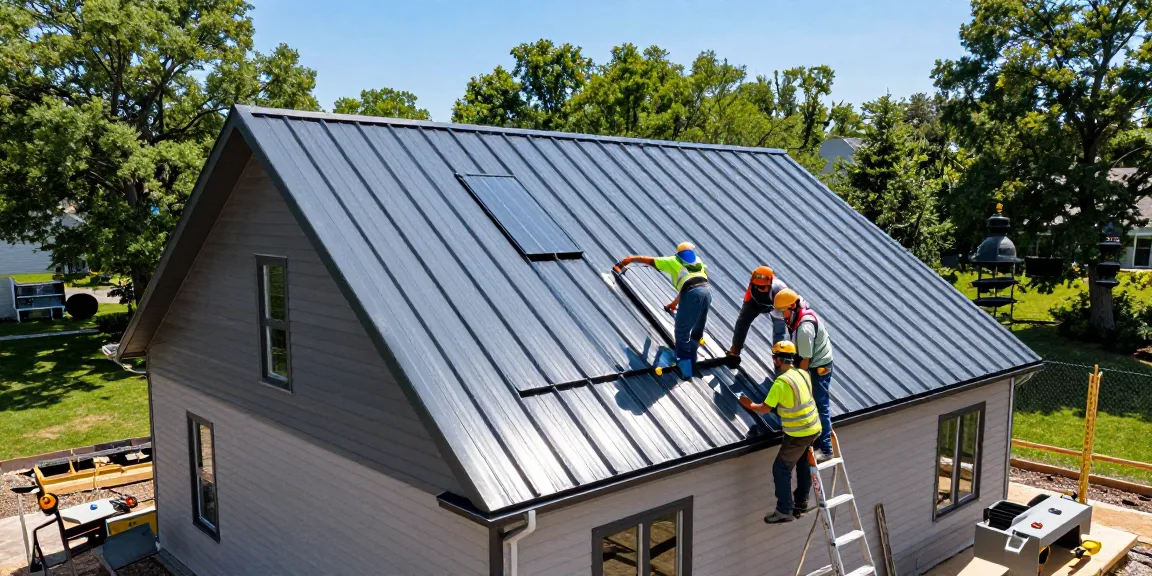
Moreover, many metal roofing systems are now designed to accommodate solar panels, allowing homeowners to generate renewable energy directly from their roofs. This integration helps reduce energy bills further and contributes to a more sustainable lifestyle.
Types of Metal Roofing Suitable for Ontario Homes
Steel vs. Aluminum Roofing
When choosing metal roofing, homeowners generally consider two primary materials: steel and aluminum. Each has its pros and cons based on performance, price, and environmental impact.
- Steel Roofing: Known for its strength and resilience, steel roofing is often coated with a layer of zinc or a combination of zinc and aluminum to prevent rust. It's typically more affordable than aluminum but can be heavier.
- Aluminum Roofing: While usually more expensive, aluminum is lightweight and naturally resistant to corrosion, making it an excellent choice for coastal areas where salt can deteriorate other materials.
Options for Aesthetics and Performance
Metal roofing comes in a variety of styles and finishes, allowing homeowners to select options that match their personal aesthetic while ensuring optimal performance. From standing seam designs to corrugated panels, the choices are vast. Additionally, metal roofs can be painted in various colors to complement the architecture of the home.
Beyond appearance, some metal roofs feature advanced coatings that enhance solar reflectance, improving energy efficiency while providing a modern look.
Innovative Metal Roofing Designs
As technology evolves, so do metal roofing designs. Innovations such as interlocking panels and integrated insulation systems are gaining traction, making installation easier and improving energy efficiency. Furthermore, manufacturers are increasingly focusing on sustainable production methods, often utilizing recycled materials to create their products.
These advancements not only enhance performance but also align with growing consumer demands for environmentally friendly building solutions.
Installation Process for Metal Roofing
Preparing Your Home for Installation
Before installation, homeowners should carefully assess their current roofing structure. It’s crucial to ensure that the underlying framework is sound and that there are no leaks or signs of rot. Additionally, obtaining necessary permits and checking local building codes is essential for a smooth installation process.
Step-by-Step Metal Roofing Installation Guide
- Remove Existing Roof (if necessary): If replacing an existing roof, ensure that the old material is completely removed and that the decking is in good condition.
- Install Underlayment: A moisture barrier is essential to protect against water infiltration.
- Measure and Cut Panels: Accurate measurement ensures that panels fit correctly, preventing leaks.
- Secure Panels: Following the manufacturer's instructions, secure the panels with appropriate fasteners to ensure weather resistance.
- Install Flashing: Flashing is critical around roof penetrations, valleys, and edges to prevent leaks.
Hiring Professional Installers: What to Look For
Choosing the right installation team can make a significant difference in the longevity and performance of your metal roof. Look for contractors who specialize in metal roofing and possess necessary certifications. Check for customer reviews and ask for references to gauge their reliability and quality of work.
Maintenance Tips to Maximize Your Metal Roof's Lifespan
Regular Inspections and Cleaning
To ensure the longevity of your metal roof, regular inspections are recommended at least twice a year. Look for signs of corrosion, loose fasteners, or damage to the flashing. Keeping the roof clean from debris can also prevent water buildup and rust formation.
Identifying and Addressing Common Issues
Common issues such as rust or dents can be managed with prompt repairs. If rust is detected, it’s essential to sand the affected area and apply a protective coating to prevent further damage. For dents, carefully assess whether they compromise the roof's integrity or if they can be left as-is.
Seasonal Maintenance for Ontario Conditions
Ontario's climate demands specific seasonal maintenance practices. In winter, ensure that snow does not accumulate excessively to avoid unnecessary weight. In spring, inspect for any winter damage and clean gutters to maintain proper drainage during the rainy season.
Future Trends in Metal Roofing for 2026 and Beyond
Emerging Technologies in Roofing Materials
As we move toward 2026, it is anticipated that new technologies will further enhance the performance of metal roofing. Innovations in material science may lead to lighter, more durable metals with improved thermal properties, making them even more suitable for diverse climates.
Green Building Practices and Metal Roofing
With increasing awareness of environmental issues, metal roofing aligns well with green building practices. Many manufacturers are committing to sustainability by using recycled materials and environmentally friendly finishes, appealing to eco-conscious consumers.
Consumer Preferences Shaping the Industry
Consumer preferences are shifting towards more aesthetically pleasing yet functional roofing solutions. This shift is prompting manufacturers to develop products that combine beauty with performance while maintaining affordability.
What Factors Influence Metal Roof Costs in Ontario?
Several factors will influence the overall cost of metal roofing in Ontario, including the type of metal chosen, the complexity of the roof design, and the costs associated with installation services. Generally, while the initial investment may be higher, metal roofing can provide substantial long-term savings due to its durability and energy efficiency.
Can Metal Roofing Enhance Property Value?
Yes, metal roofing can significantly enhance property value. Its longevity and low maintenance requirements appeal to potential buyers, making homes with metal roofs enticing in the real estate market.
What Are the Environmental Benefits of Metal Roofing?
Metal roofing offers several environmental benefits, including high recyclability and reduced waste during the installation process. Choosing sustainable options can contribute to a lower carbon footprint.
Is Metal Roofing Suitable for All Home Styles?
Metal roofing can complement various architectural styles, from modern to traditional. With a wide array of colors and styles available, it can be tailored to fit any home aesthetic while providing the functional benefits of metal.
How Does Metal Roofing Perform in Harsh Winters?
Metal roofs perform exceptionally well in harsh winter conditions. Their smooth surfaces allow for easy snow shedding, minimizing the risks of ice dam formation. Additionally, their insulation properties keep homes warm and energy-efficient even in the coldest months.
What Maintenance Is Required for Metal Roofs?
Maintenance for metal roofs is minimal but should include routine inspections, clearing debris, and checking for rust or damage. By being proactive, homeowners can ensure their metal roof remains in excellent condition and extends its lifespan.