Understanding the Culture of Soda Pop
Soda pop has transcended its role as a mere beverage; it has woven itself into the fabric of cultural identity across various societies. From backyard barbecues to grand celebrations, soda pop embodies joy and nostalgia. Its effervescent bubbles not only tantalize taste buds but also evoke memories of childhood, friendship, and carefree moments. As we delve into the multifaceted culture surrounding soda pop, we will explore what defines this fizzy drink in modern society while uncovering its historical significance and social impact.
For those interested in the detailed offerings of different soda brands, Soda pop provides comprehensive insights that showcase the richness and diversity found within this carbonated marvel.
What Defines Soda Pop in Modern Society?
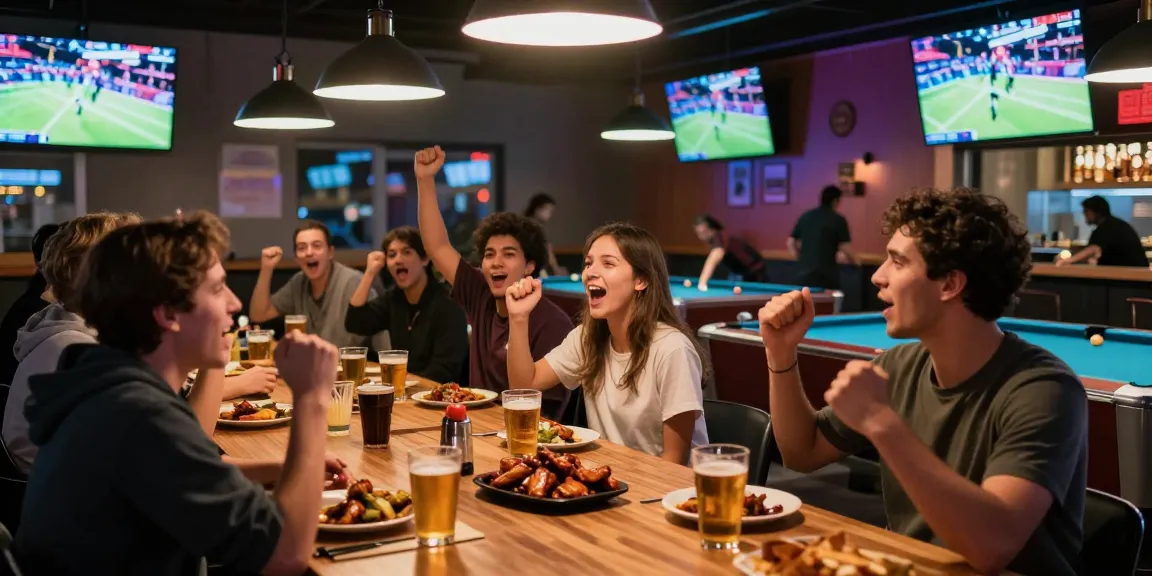
Today, soda pop serves as a symbol of social gatherings and celebrations, making its way into diverse contexts—from birthday parties to sporting events. The presence of soda pop at these events often sparks feelings of togetherness and festivity. As lifestyle trends evolve, soda pop continues to adapt, offering a range of options to cater to the health-conscious consumer while still appealing to those who indulge in classic flavors.
Soda pop is not merely a drink; it has become a cultural icon that often represents a lifestyle. The rise of craft sodas and artisanal brands speaks volumes about consumer preferences shifting towards unique and sophisticated flavor experiences. People are now more inclined to select beverages that align with their values, such as sustainability and local sourcing.
The Evolution of Soda Pop Flavors
The landscape of soda pop flavors has changed drastically over the years. Traditional flavors such as cola, root beer, and orange soda continue to hold their ground, yet innovative flavors like lavender-infused soda, spicy ginger beer, and exotic fruit blends have emerged. This evolution reflects a growing curiosity among consumers about novel taste experiences, driven by their adventurous palates.
Moreover, global influences play a significant role in this flavor evolution. For instance, Asian-inspired flavors like lychee and yuzu have gained popularity in western markets, marking a fusion of culinary traditions and expanding the horizons of soda pop enthusiasts.
Social Impact and Community Around Soda Pop
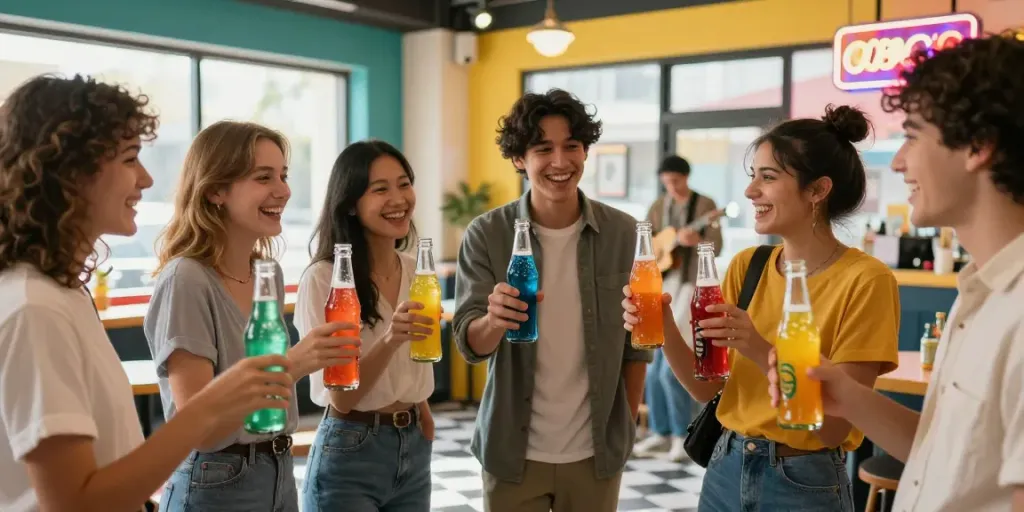
The social impact of soda pop extends beyond individual consumption; it fosters a sense of community. Many local brands have developed strong followings by connecting with their customers on a personal level. Events like soda tastings, festivals, and community fairs often highlight local soda makers, allowing people to bond over shared experiences and unique flavors.
This communal aspect is particularly evident in the rise of soda pop clubs and online communities, where enthusiasts share their thoughts and experiences about various brands and flavors. Such engagements strengthen the bonds between consumers and producers, creating brand loyalty that transcends traditional marketing.
Unique Flavor Profiles of Soda Pop
Exploring Classic Flavors: The Timeless Favorites
Classic flavors of soda pop have stood the test of time, remaining beloved by generations. Cola, with its complex combination of sweetness and acidity, continues to dominate sales, while root beer offers a nostalgic sweetness with earthy undertones. Other timeless favorites such as lemon-lime sodas and cream soda offer a refreshing option that appeals to both the young and the young at heart.
Innovative Trends: New Flavors to Look for in 2026
The year 2026 promises a plethora of innovative soda pop flavors set to captivate consumers. Expect to see exciting new entries such as matcha and turmeric-infused sodas, which not only offer distinctive tastes but are also marketed for their health benefits. Additionally, floral-infused sodas like hibiscus and elderflower are gaining traction, appealing to those seeking sophisticated refreshment.
Global Influences: How Culture Shapes Soda Pop
Soda pop is no longer confined to classic flavors; it reflects the diverse cultures that inspire it. From the rich spices of Mexican soda to the refreshing botanicals found in European brands, each region brings something unique to the table. Countries like Japan and India have produced some of the most unusual flavors, such as wasabi and mango chili, respectively, showcasing how culture shapes consumer preferences.
Health Considerations with Soda Pop Consumption
Understanding Sugar Content and Alternatives
The health implications of consuming soda pop are a hot topic of discussion, particularly concerning sugar content. Many traditional sodas contain high levels of sugar, which can contribute to health issues if consumed excessively. However, awareness is growing, leading to a surge in diet sodas and natural sweetener alternatives such as stevia and monk fruit.
Balancing Enjoyment: Moderation Strategies
To enjoy soda pop without compromising health, moderation is essential. Here are some strategies to consider:
- Portion Control: Opt for smaller serving sizes or share a drink.
- Choose Wisely: Select sodas with lower sugar content or natural ingredients.
- Hydration Balance: Drink water alongside soda pop to stay hydrated.
Healthier Soda Pop Options Emerging in the Market
As health-conscious consumers demand healthier options, the soda pop industry is responding with a variety of innovative products. Brands are now offering kombucha-based sodas, which are rich in probiotics and provide gut health benefits. Additionally, sparkling waters with natural flavors serve as a refreshing alternative to traditional sugary soda, appealing to those looking for a fizzy beverage without the extra calories.
How Soda Pop is Made
The Science Behind Carbonation and Flavoring
The process of making soda pop is both an art and a science. The primary method involves combining carbonated water with flavoring agents and sweeteners. The carbonation process entails dissolving carbon dioxide in water under pressure, creating the delightful fizz that we associate with soda pop.
Sourcing Ingredients: The Journey of Soda Pop
The journey of soda pop begins long before it reaches the consumer's hands. Ingredients such as sugars, flavorings, and citric acid must be carefully sourced. Many brands are now prioritizing local and organic ingredients, promoting sustainability while enhancing flavor authenticity. This effort not only supports local economies but also aligns with current consumer values.
Artisanal vs. Commercial Soda Pop Production
The battle between artisanal and commercial soda pop production creates a fascinating dynamic within the industry. While commercial brands focus on mass production and consistency, artisanal brands emphasize craftsmanship and unique flavors. This niche market allows small producers to explore innovative recipes and cater to a discerning audience willing to pay a premium for quality and uniqueness.
Future Trends in the Soda Pop Industry
Eco-friendly Packaging Solutions for Soda Pop
With growing environmental concerns, the soda pop industry is making strides towards sustainable packaging. Innovations like biodegradable bottles and aluminum cans that are easier to recycle are becoming more commonplace. Brands are now increasingly focusing on reducing their carbon footprint, appealing to eco-conscious consumers who prioritize sustainability.
Technological Advances in Soda Production
Advancements in technology are revolutionizing soda production. From automated bottling systems that enhance efficiency to flavor extraction techniques that preserve natural ingredients, technology is improving the quality and consistency of soda pop. Additionally, data analytics and consumer feedback are driving product development and marketing strategies to align with consumer expectations.
Consumer Preferences Shaping the Future of Soda Pop
The future of soda pop will undoubtedly be influenced by shifting consumer preferences. As awareness of health and wellness grows, more consumers are likely to seek out beverages that align with their values. Brands that embrace transparency in ingredients, sustainable practices, and innovative flavors will thrive in this evolving landscape.
What are the most popular soda pop flavors?
Some of the most popular flavors continue to include classic cola, root beer, and lemon-lime, though innovative flavors like mango and passionfruit are gaining traction.
How is soda pop made in small batches?
Small-batch soda production typically involves handcrafted methods, allowing for unique flavors and quality control that mass production cannot match.
What health benefits can soda pop alternatives offer?
Alternatives such as kombucha have health benefits like probiotic content, while naturally flavored sparkling waters offer hydration without added sugars.
Which countries have the most unique soda pop varieties?
Countries like Japan and Mexico are known for their unique soda pop varieties, offering flavors that reflect their cultures and culinary traditions.
How is soda pop marketed to younger generations?
Modern marketing strategies utilize social media and influencer partnerships to connect with younger consumers, showcasing the fun and innovative side of soda pop.