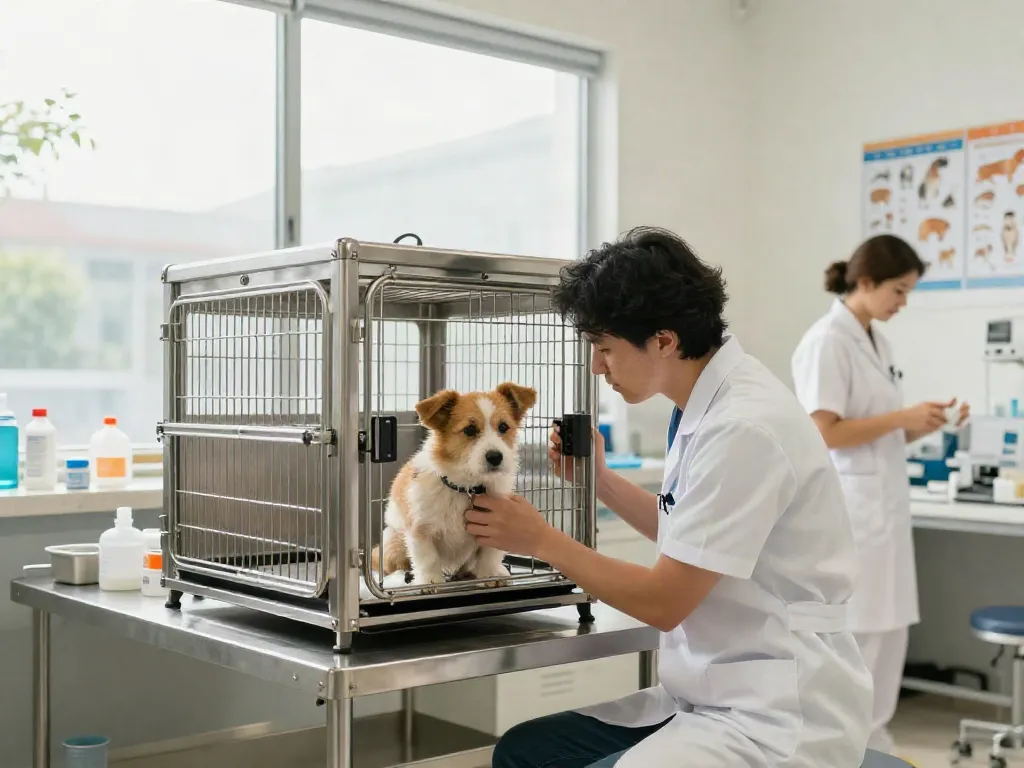
Understanding Veterinary Cages: A Foundation for Animal Care
Veterinary cages play a critical role in ensuring the safety and comfort of animals during their time in veterinary clinics or hospitals. These specialized enclosures are designed to provide a controlled environment for patients, offering both security and comfort while addressing their unique needs. When exploring options, Veterinary Cages are essential for effective animal treatment and care.
What Are Veterinary Cages?
Veterinary cages are specifically engineered enclosures used in veterinary practices to house animals needing medical attention or observation. They come in various designs and sizes tailored to accommodate different species, sizes, and health conditions. The primary function of these cages is to create a safe and quiet environment for animals during treatment or recovery, minimizing stress and facilitating healing.
Key Features of Veterinary Cages
- Durability: Most veterinary cages are made from robust materials such as stainless steel or high-quality plastic, ensuring they withstand daily use while remaining clean and hygienic.
- Ventilation: Proper airflow is crucial in preventing respiratory issues among housed animals. Quality cages are designed with multiple ventilation openings to support air circulation.
- Accessibility: Features such as sliding doors and removable bottoms enhance accessibility for veterinary staff during treatment and cleaning.
- Configurability: Many modern cages allow for customizable configurations to fit specific spaces and needs, accommodating various animals from cats to large dogs.
Importance of Veterinary Cages in Animal Health
Beyond merely housing animals, veterinary cages serve a vital role in the treatment process. They provide a secure area for pets undergoing recovery from surgery or illness, reducing anxiety and stress that might be triggered by unfamiliar environments. This stability helps improve overall health outcomes and recovery rates, making them indispensable in veterinary practice.
Types of Veterinary Cages: Choosing the Right Equipment
Stainless Steel vs. Plastic Cages
The choice between stainless steel and plastic cages often boils down to factors such as maintenance, durability, and purpose. Stainless steel cages are preferred in many clinics due to their durability, ease of cleaning, and resistance to rust and corrosion. In contrast, plastic cages can be lighter and more cost-effective but may not offer the same longevity. Each type has its own advantages and is suited to different applications, depending on the veterinary practice's services and clientele.
Different Sizes and Configurations for Animal Needs
Different species and sizes of animals require varying cage sizes and configurations. For instance, smaller animals like rabbits or ferrets can comfortably fit in smaller enclosures, whereas larger breeds of dogs may need spacious cages that allow them to stand, turn around, and lie down comfortably. Additionally, modular cages can be configured to create larger, multi-chamber setups for housing multiple animals.
Innovative Designs Enhancing Animal Comfort
New advancements in veterinary cage design focus on enhancing the comfort and well-being of the housed animals. Innovations such as soundproofing materials, cushioned floors, and soft bedding can significantly impact how animals perceive their environment. Specialized enclosures also cater to the specific needs of different species, helping maintain their natural behaviors and reducing stress levels during their stay in a clinic.
Best Practices for Using Veterinary Cages
Proper Cleaning and Maintenance Techniques
Regular cleaning and maintenance of veterinary cages are paramount to ensuring the health and safety of animal patients. Veterinary practices should establish a daily cleaning regimen that includes washing surfaces with appropriate disinfectants, checking for wear and tear, and ensuring all mechanisms function correctly. It is also essential to remove waste and soiled bedding promptly to prevent the spread of disease.
How to Ensure Animal Comfort and Safety
Caring for animals in cages goes beyond basic needs; it involves creating an environment that promotes peace and comfort. Providing adequate bedding, minimizing stressors such as excessive noise, and ensuring appropriate temperature control can significantly enhance an animal's experience. Additionally, regular human interaction can help reduce the anxiety of animals housed in cages.
Common Mistakes to Avoid with Veterinary Cages
Veterinary staff should be aware of common pitfalls associated with the use of cages. Overcrowding can lead to stress and aggression among animals. Furthermore, failing to provide proper ventilation can result in respiratory issues. It's also vital to ensure that cages are suited for specific species to prevent discomfort and distress.
Real-World Applications: Case Studies on Veterinary Cages
Success Stories from Veterinary Clinics
Many veterinary clinics have reported significant improvements in animal welfare after upgrading their cage systems. For example, a well-known animal hospital in California transitioned to modular stainless steel cages, leading to a noted decrease in recovery times for surgical patients. This change allowed for more tailored care and improved comfort, directly impacting their recovery outcomes.
Impact on Animal Recovery Rates
Studies have shown that animals housed in well-designed cages experience lower stress levels, which correlates with faster recovery rates. A recent study highlighted that clinics utilizing advanced veterinary cages observed a 30% improvement in recovery times for surgical patients, demonstrating the importance of appropriate housing in medical outcomes.
Feedback from Veterinarians and Pet Owners
Feedback from both veterinarians and pet owners emphasizes the value of quality veterinary cages. Many veterinarians report that animals housed in higher-quality cages display fewer signs of anxiety and discomfort, leading to a more effective treatment process. Pet owners often appreciate the emphasis on animal welfare, which enhances their trust in the clinic's care practices.
Future Trends in Veterinary Cages: What’s Ahead?
Technological Advances in Veterinary Cage Design
The future of veterinary cages is being shaped by advancements in technology, focusing on smart features that enhance both animal and staff efficiency. Innovations such as temperature and humidity control systems, integrated monitoring capabilities, and automated cleaning systems are paving the way for a new era of veterinary care.
Predictions for Animal Health in 2026 and Beyond
Looking ahead, the landscape of animal health is expected to evolve with a focus on personalized veterinary care. This trend will likely include more customized cage solutions designed to cater specifically to an animal's unique health needs, thereby improving overall outcomes.
How Veterinary Cages Will Evolve to Meet Changing Needs
As the field of veterinary medicine continues to advance, so too will the design and functionality of veterinary cages. Future innovations may include AI-driven models that monitor animal health in real-time, contributing to a proactive approach in veterinary medicine. This evolution will reflect a growing commitment to animal welfare and an understanding of the relationship between environment and health.
FAQs about Veterinary Cages
What are vet cages called?
Vet cages are often referred to as veterinary enclosures, animal cages, or simply animal housing. Each term reflects their primary purpose in providing a safe environment for animals during treatment.
What are the best pet cages?
The best pet cages vary based on the animal's species and size. However, cages made from durable materials, with ample ventilation and adequate space, are generally preferred for providing comfort and safety.
What is the difference between a cage and a kennel?
A cage typically refers to a smaller enclosure used for individual animals, primarily in veterinary settings, while a kennel usually refers to a larger structure that can house multiple animals, often used for longer-term stays.
What are the different types of animal cages?
Types of animal cages include stainless steel cages, plastic cages, collapsible cages, and modular cage systems. Each type offers unique benefits tailored to specific veterinary applications.
Are stainless steel cages better for veterinary use?
Stainless steel cages are often considered superior for veterinary use because of their durability, ease of cleaning, and resistance to bacteria and other pathogens, creating a safer environment for recovering animals.