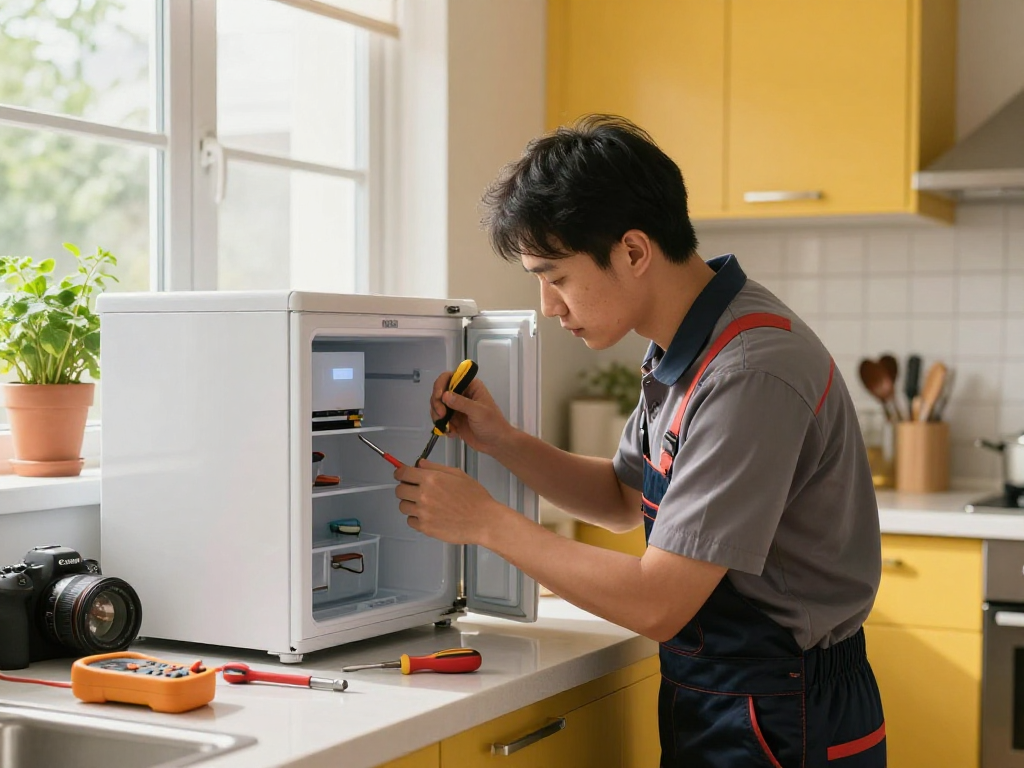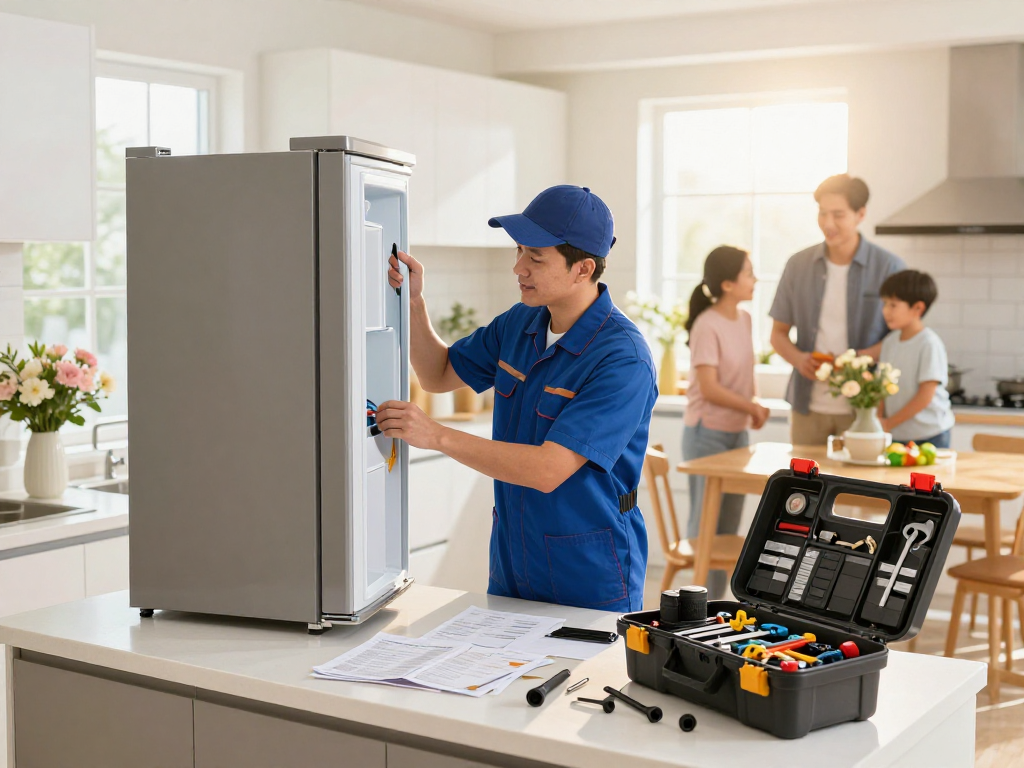
Understanding Appliance Repair Services in North York
With the hustle and bustle of daily life in North York, home appliances play a vital role in keeping our households running smoothly. When these machines break down, it can lead to significant inconvenience and stress. Understanding the nuances of Appliance Repair in North York can empower residents to make informed decisions and ensure their appliances receive the right care.
What Is Appliance Repair?
Appliance repair involves diagnosing and fixing malfunctioning household appliances to restore their functionality. This service can extend the lifespan of appliances, minimize replacement costs, and reduce energy consumption. It encompasses a wide range of devices, from refrigerators and washing machines to ovens and dishwashers.
Types of Appliances Commonly Repaired
- Kitchen Appliances: Refrigerators, ovens, microwaves, and dishwashers.
- Laundry Appliances: Washing machines and dryers.
- Heating and Cooling Systems: HVAC units, boilers, and air conditioners.
- Miscellaneous Appliances: Water heaters, garbage disposals, and small kitchen gadgets.
Importance of Professional Repair Services
Choosing a professional repair service ensures that issues are assessed accurately and fixed safely. Technicians are trained to handle repairs that may be dangerous for unskilled individuals, such as gas line work or electrical repairs. Professional repairs also come with warranties, providing peace of mind that the issue will be resolved correctly.
Common Issues with Home Appliances
Residents in North York encounter various appliance issues. Understanding these common problems can help in identifying when to call for a repair.
Top Problems Faced by Residents
- Refrigerator not cooling properly.
- Washing machine making unusual noises.
- An oven that won't heat up.
- Dishwasher not draining effectively.
- Dryer not spinning or heating.
Signs Your Appliance Needs Repair
It's essential to recognize the signs that indicate a need for appliance repair. Common indicators include:
- Strange noises during operation.
- Unusual odors emanating from appliances.
- Fluctuating temperatures in refrigeration units.
- Leakage or pooling water around appliances.
- Inconsistent performance or prolonged cycles.
DIY vs. Professional Repairs: What You Should Know
While some homeowners may consider tackling repairs themselves, it's crucial to evaluate the risks. DIY repairs can save money but may lead to further damage or injury if not executed correctly. Professional technicians bring expertise, specialized tools, and knowledge of safety protocols that are invaluable when diagnosing more complex problems.
Choosing the Right Appliance Repair Service
Selecting an appropriate repair service can significantly affect the outcome of your repair experience. Careful consideration of various factors can ensure you make the best choice.
Factors to Consider When Hiring
- Experience: Look for technicians with substantial experience and specialized training.
- Reputation: Research customer reviews and ratings to gauge the service's reliability.
- Warranty: Choose services that offer warranties on parts and labor.
- Response Time: Assess how quickly they can attend to your appliance issues.
Red Flags to Watch Out For
While searching for a repair service, keep an eye out for warning signs, such as:
- Lack of valid licenses or credentials.
- Unclear pricing or hidden fees.
- Negative reviews or poor customer service.
- Pressure to authorize repairs immediately.
Questions to Ask Your Repair Technician
To ensure you hire a competent technician, consider asking the following questions:
- What is your experience with this specific appliance?
- Can you provide references from previous clients?
- What is your diagnostic process?
- How long do you expect the repairs will take?
Ensuring Safety During Appliance Repairs
Safety is paramount during appliance repairs, both for technicians and homeowners. Proper protocols help mitigate risks associated with electrical and mechanical failures.
Safety Protocols for Technicians
Professional technicians adhere to strict safety measures, which may include:
- Using personal protective equipment (PPE).
- Following manufacturer guidelines for repairs.
- Practicing safe electrical handling procedures.
What Homeowners Should Do Before a Repair
Homeowners can enhance safety by taking certain precautions before a technician arrives, such as:
- Clearing the area around the appliance for easy access.
- Unplugging the appliance or turning off its power supply.
- Informing the technician about any previous repairs or issues.
After-Repair Care and Maintenance Tips
After a repair, implementing some basic maintenance tips can help prolong the life of your appliances:
- Regularly clean refrigerator coils to enhance efficiency.
- Inspect and replace washing machine hoses every few years.
- Schedule routine maintenance checks for larger appliances.
Future Trends in Appliance Repair Services
The appliance repair industry is constantly evolving, influenced by advancements in technology and changing consumer expectations. Staying informed can help homeowners better prepare for future repairs.
Technological Advances in Appliance Repair
Emerging technologies are enhancing appliance repair services in various ways:
- Smart Home Integration: Smart appliances are increasingly equipped with diagnostic tools that alert homeowners to issues before they escalate.
- Remote Diagnostics: Technicians can now access certain appliances remotely to diagnose problems without an initial visit.
- Data-Driven Repair Services: Utilizing data analytics helps in predicting failures and scheduling preventative maintenance.
Predictions for the Appliance Repair Industry in 2026
Looking ahead to 2026, the appliance repair landscape is projected to include:
- Greater reliance on mobile apps for scheduling and tracking repairs.
- Increased use of virtual reality for technician training.
- More eco-friendly repair practices, aligned with sustainability trends.
How to Stay Informed About Your Appliance's Needs
To maintain optimal appliance functionality, homeowners can:
- Read manufacturer guidelines and manuals to understand maintenance requirements.
- Stay updated on recalls and safety alerts for their appliances.
- Engage with local repair services for timely updates and tips.
What Should I Do When My Appliance Breaks?
When faced with a broken appliance, the first steps should be to:
- Unplug the appliance or turn off its power source.
- Document the issue and any unusual symptoms.
- Contact a professional repair service for an assessment.
How Long Does Appliance Repair Typically Take?
Repair times can vary based on the appliance and the extent of the issue. Most repairs may take anywhere from one to three hours, with larger appliances like refrigerators potentially requiring longer, especially if parts need to be ordered.
Are DIY Repairs Worth the Risk?
While DIY repairs can be tempting due to potential cost savings, they often are not worth the risk. Incorrect repairs can lead to further damage, personal injury, and voided warranties. In contrast, professional repairs ensure that the job is done right the first time.
How Can I Prevent Future Appliance Issues?
Preventative maintenance can significantly reduce the likelihood of future problems. Consider the following tips:
- Regularly clean and inspect hoses and filters.
- Monitor the performance and report any irregularities immediately.
- Follow the manufacturer's recommended maintenance schedule.
What Certifications Should a Repair Technician Have?
When selecting a technician, it's crucial to verify their certifications. For more information, Appliance Repair offers valuable insights. Look for qualifications such as:
- Manufacturer certifications for specific appliance brands.
- General repair certifications from recognized trade organizations.
- Licenses that comply with local regulations.